Concrete, known for its strength and durability, is a common building material used in various construction projects around the world. However, despite its robust nature, concrete is susceptible to cracking, which can compromise its integrity and visual appeal.
Understanding the causes behind these cracks and implementing appropriate solutions is crucial for ensuring the longevity and safety of any concrete structures.
1. Crazing
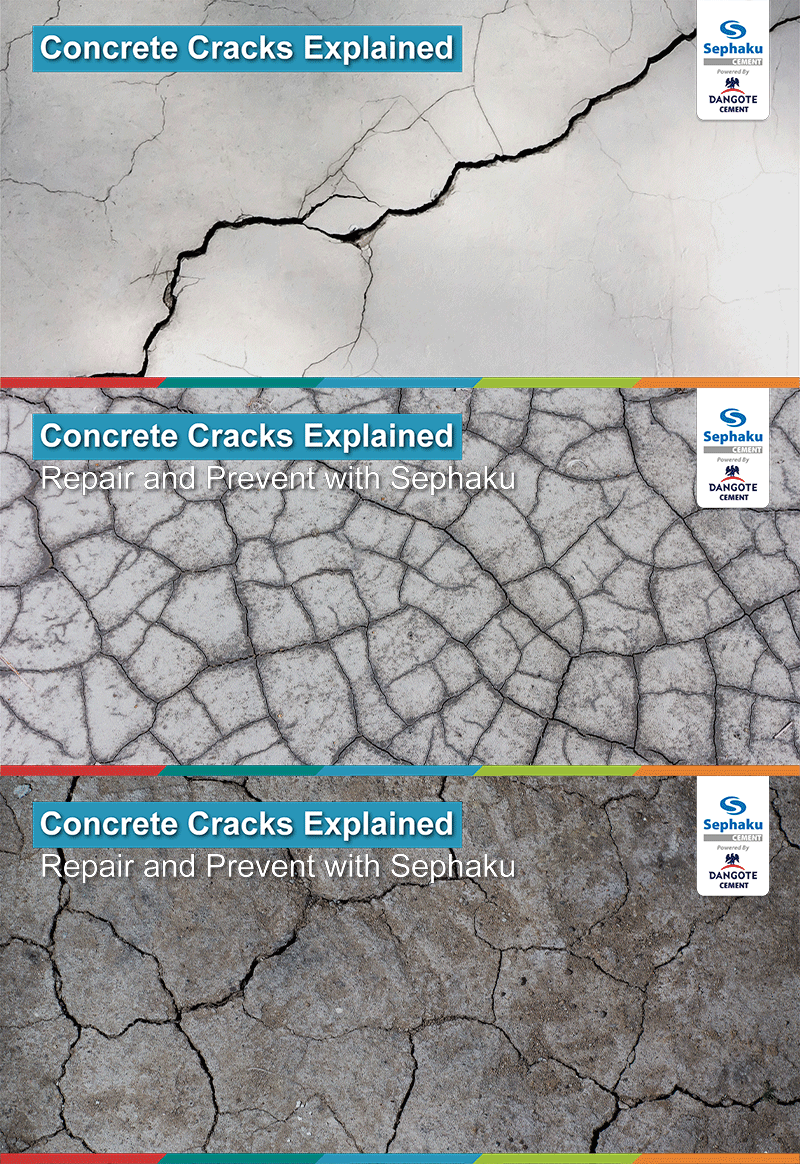
Crazing appears as a network of fine cracks on the concrete surface, resembling a spider web. It typically occurs due to rapid drying of the concrete surface before it has fully cured. This rapid drying causes shrinkage stresses, leading to the formation of these surface cracks.
Causes:
Solutions and repair:
2. Plastic Shrinkage Cracking
Plastic shrinkage cracking occurs during the early stages of concrete curing when the concrete is still in a plastic or fluid state. Like crazing, it results from rapid moisture loss and subsequent shrinkage of the concrete surface.
Causes:
Solutions and repair:
For expert advice on the correct cement products to use to achieve the best possible results contact the Sephaku call centre on 0861 32 42 52 or speak to your technical representative.
More news, guides and practical cement advice from the Sephaku team.