As 3D printing, also known as additive manufacturing, continues to revolutionise a growing number of industries, Sephaku Cement explores how Concrete 3D printing is put to task in architecture and construction. Having already successfully created a number of prototypes and extremely technical products such as the intricate parts used in aerospace and aviation, as well as medical products including implants and artificial organs, 3D prints continues to pave the way as manufacturing and production marches into the 4th industrial revolution.
There are three common methods used in 3D printing technology, these include;
From the design to the engineering and manufacturing, concrete 3D printing technology offers an efficient and cost effective alternative in the construction of a number of concrete applications. While initially limited to the use of molten plastic and metals, as 3D printing tech continues to advance, alternative materials are being employed including the likes of cement/concrete.
While concrete 3D printers are fairly significant in size especially for the construction industry, their mobility allows for basic concrete construction printing to occur almost anywhere and under various types of conditions.
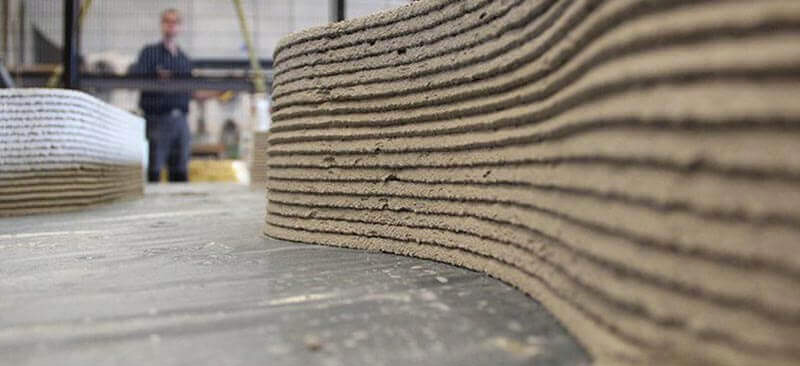
Making use of a method similar to the Fused Filament Fabrication (FFF) or Fused Deposition Modelling (FDM) mentioned above, concrete 3D printing takes place using an automated and repetitive methodology that directs the print head through a sequence of rotations. While designs may still be a little basic and limited to more modest forms, concrete 3D printing can be extremely effective in the construction of high density, low cost housing in areas of high demand.
Basic Steps in the Concrete 3D Printing Process:
With some concern that these concrete construction “bots” may eventually replace their human counterparts, concrete 3D technology is not without its shortfalls, although exciting technology is but only in its infancy, and will need much more development in future and will never fully replace the hand of construction contractors, workmen and architects.
More news, guides and practical cement advice from the Sephaku team.